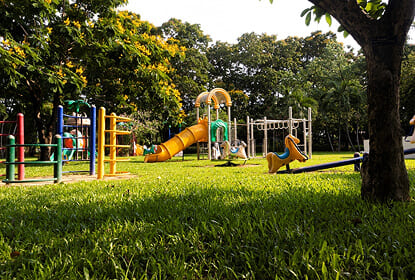
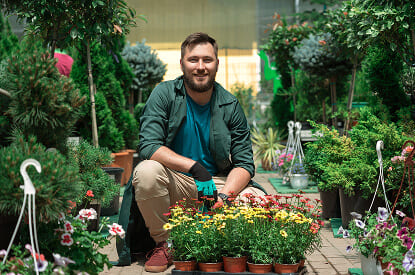
Creating an eco-friendly landscape is one of the most effective ways to enhance outdoor spaces while protecting the environment. Sustainable landscaping focuses on reducing water consumption, improving soil health, and supporting local ecosystems. By making thoughtful design choices and using environmentally responsible materials, homeowners and developers can create beautiful outdoor environments that require less maintenance and fewer natural resources.
Eco-friendly landscaping not only benefits nature but also improves the overall functionality and value of a property. From water-efficient irrigation systems to native plant selections, small changes can make a significant impact in building greener and more sustainable landscapes.

1. Choose Native Plants
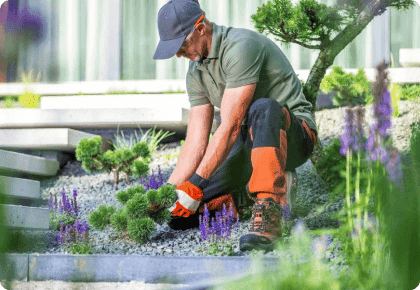
Native plants naturally adapt to the local climate and soil conditions, making them easier to maintain and more resistant to pests and diseases. They require less water and fertilizer compared to non-native plants. By incorporating native vegetation into your landscape design, you can support local biodiversity while reducing maintenance costs.
2. Install Smart Irrigation Systems
Water conservation plays a major role in sustainable landscaping. Installing smart irrigation systems, such as drip irrigation or automated sprinkler controls, helps distribute water efficiently and prevents unnecessary wastage. These systems ensure that plants receive the right amount of water based on weather conditions and soil moisture levels.
3. Use Sustainable Hardscape Materials
Eco-friendly landscapes also include the use of sustainable construction materials. Permeable pavers, recycled wood, natural stone, and locally sourced materials help reduce environmental impact while improving drainage and durability. These materials enhance the visual appeal of outdoor spaces while promoting responsible construction practices.
4. Add Mulching for Soil Health
Mulching is an effective way to retain soil moisture, regulate temperature, and prevent weed growth. Organic mulch made from bark, compost, or wood chips improves soil structure and gradually adds nutrients as it decomposes. This simple technique helps maintain healthier plants and reduces the need for frequent watering.
5. Create Green Outdoor Living Spaces
Eco-friendly landscaping also focuses on creating comfortable outdoor living areas that blend with nature. Pergolas, shaded seating areas, and green walkways can transform outdoor environments into relaxing and functional spaces. Incorporating natural elements and vegetation helps reduce heat and improves the overall atmosphere of the landscape.
Conclusion
Eco-friendly landscaping is a smart and sustainable approach to outdoor design. By choosing native plants, using efficient irrigation systems, and incorporating environmentally responsible materials, you can create landscapes that are both beautiful and sustainable. Whether for residential gardens or large-scale developments, these ideas can help build greener spaces that benefit both people and the planet.